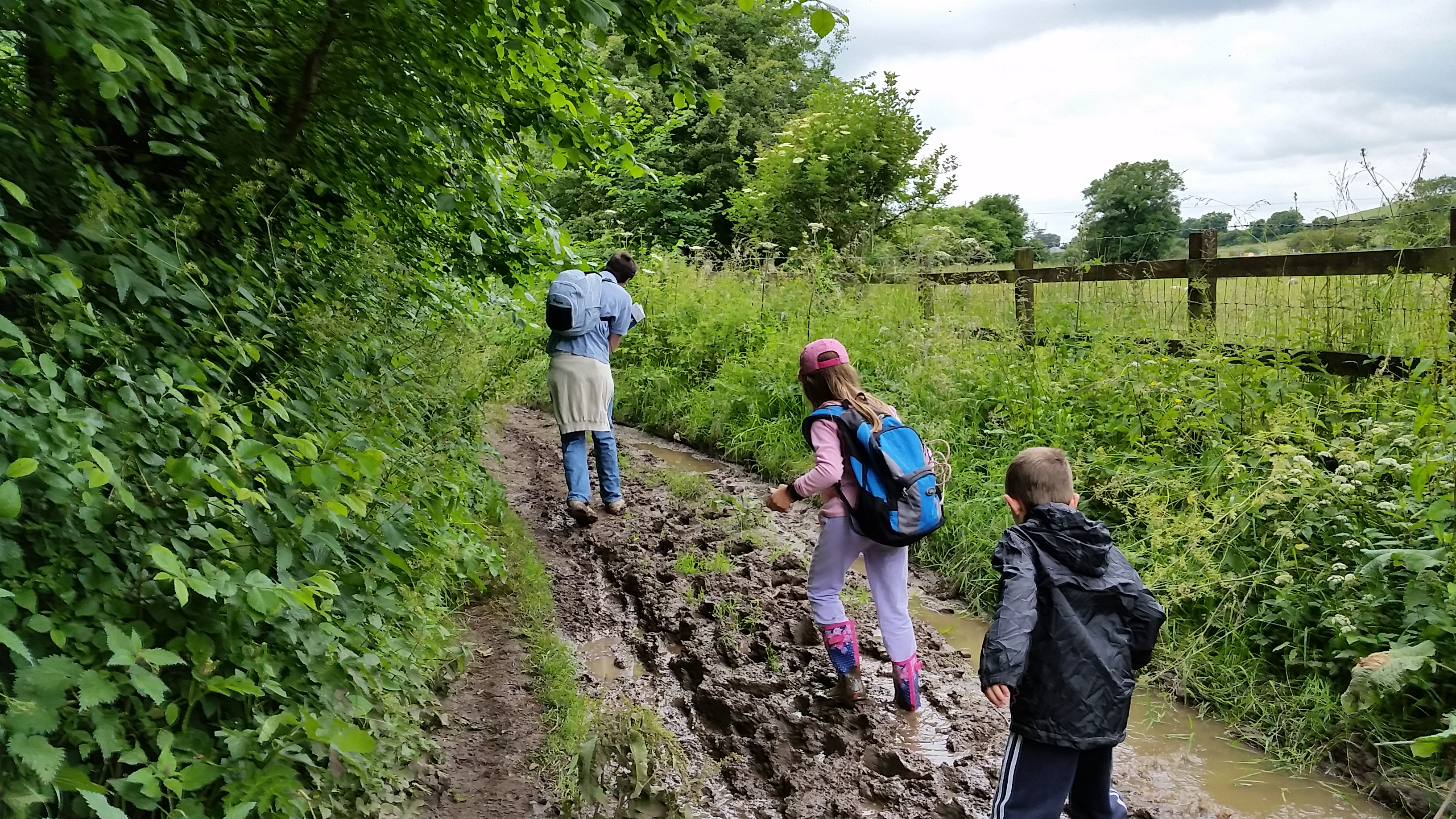
Hiking has been a family passion for us – Pietro, our children Elisa and Marco, and me. We have spent countless weekends trekking through landscapes, whether lush and green trails in England or challenging desert paths in the American Southwest. It is something that truly brings us together, but with two young kids, we have always prioritized safety on our hikes. Through our experiences, we have developed some essential tips that keep us secure and make our hikes more enjoyable.
Let’s dive into our top hiking tips, perfect for families or anyone who loves exploring nature.
1. Choosing the right trail
Our first step is always selecting a trail that matches our energy and ability for that day. We consider factors like location, intensity, and elevation. Early in the season, we stick to moderate trails to ease back into the rhythm, gradually taking on more intense hikes as we build stamina. Loops are our favorite because they bring us right back to where we started, and we always check the elevation gain and trail conditions before setting off. This helps ensure we are prepared, whether it is a paved lakeside walk or a challenging mountain path. Remember, it is okay to turn back if you are getting tired. Safety always comes first!
2. Hydration and snacks
In Arizona’s intense heat, dehydration is a real risk, so we always carry at least two liters of water per person, sometimes even more depending on the length and intensity of the hike. We have learned this lesson the hard way. One summer, while camping in Sequoia National Park, we set off on a hike we hadn’t thoroughly planned for. Someone at the campground casually suggested a trail that led to some small waterfalls, and since it was a spontaneous decision, we didn’t double-check the distance or pack extra supplies. We left with only a small amount of water, thinking it would be a short, easy hike.
As we climbed higher, we quickly realized our mistake. The trail was longer and more strenuous than we’d anticipated, and just as we began to feel the strain, a light rain started. Although it wasn’t a heavy downpour, we hadn’t packed for this kind of weather or distance, and being low on water made it even more challenging. That experience taught us the importance of always carrying more water than we think we’ll need and checking the trail’s details beforehand.
Since then, we never hit the trail without ample water and energizing snacks like almonds, walnuts, and sandwiches. Taking breaks to snack and hydrate keeps everyone’s energy up and makes the journey much more enjoyable, especially during longer or hotter hikes. This preparation has become essential to our routine, ensuring we stay safe and comfortable on every adventure.

3. Be prepared for weather changes
Hiking in England taught us to always carry a spare set of socks and a waterproof jacket, no matter how clear the sky looks at the start. Weather can change rapidly, especially in places like the Cotswolds. Now, wherever we are, we make it a point to check the weather forecast before heading out. Being prepared for rain, snow, or extreme sun ensures we stay comfortable and safe during our hike.
4. Starting early
Setting out early has become a must, especially in Arizona. Temperatures soar by midday, so we aim to finish our hike by noon. Starting early also gives us a chance to enjoy cooler morning air and quieter trails, and we always budget extra time if the path includes a significant elevation gain. There is no rush – it is all about enjoying the journey.
5. Emergency kit essentials
As someone with allergies, I always carry an emergency kit that includes my EpiPen, Benadryl, and plenty of bandages. Our kit also includes sunscreen, hats, and, if needed, insect repellent (especially handy in England!). Proper sun protection is essential, so we cover spots that often get overlooked, like our ears and neck. Safety is our priority, and having these essentials means we are prepared for any situation.
Last year, while out for a walk here in Arizona with Blue, our dog, I learned the hard way how important it is to be prepared. A bee stung me right between the eyes on my nose, and even left the stinger behind! We had to remove it, and I was so grateful I had cortisone with me – not only for the pain but to help with the allergy. Since then, we always make sure our kit is fully stocked!
We also bring a water filtration kit, which we bought here in the U.S. This is especially helpful on longer hikes, as it allows us to safely use any water we come across if we run out of our own supply. Knowing we have this backup gives us peace of mind on those more extended adventures.

6. Navigational tools
In England, Elisa and Marco’s time with the scouts taught us the importance of carrying a whistle and a small mirror to attract attention in case of an emergency. Now, we also carry a fire-starting kit – cotton balls coated in petroleum jelly and a fire starter. In more remote areas, these simple tools provide a sense of security. We also download offline maps on our phones before heading out since the signal can be spotty in many parks. Pietro and I save the map on both our devices, so we always have a backup in case one phone runs out of battery.
7. Appropriate footwear
One of my biggest hiking pet peeves is seeing people tackle tough trails in flip-flops. It still shocks me to think of the time we saw hikers in sandals trying to climb Angels Landing in Zion National Park on a rainy day! We make sure everyone in our family has the right footwear for each hike, whether sturdy hiking boots or supportive trainers with a solid grip. Choosing appropriate shoes helps prevent slips and falls, especially on rocky or uneven paths.
Related posts:
- 6 Reasons why walking just makes sense
- 10 Surprising benefits of walking: why you should start today
- 9 Tips for making daily walks a lasting habit
8. Respecting trail etiquette
Our time in England taught us to leave no trace, so we carry small bags to pack out all our trash. We also bring bags for our dog, Blue, if he joins us, ensuring we keep the trails clean for everyone. We practice basic trail etiquette, like giving way to uphill hikers, sticking to the right, and walking single file on narrow trails. In our family, the “slower hiker” (which somehow always ends up being me!) sets the pace, keeping everyone together.
9. Staying alert and avoiding distractions
We avoid using headphones on hikes, as they can block out important sounds around us. Hiking is also a time to reconnect, so we chat, observe, and listen to nature.
We are mindful about taking photos and avoiding risky spots, especially after reading about the alarming number of accidents in places like the Grand Canyon due to people taking dangerous selfies.

10. Communication and emergency planning
One clever tip I once heard is to set a voicemail message with your hiking trail details and estimated return time, just in case your phone dies. When hiking solo, it is essential to let someone know where you’re going. For family hikes, we emphasize pacing ourselves and listening to our bodies. If anyone feels tired, we turn back. There is no pressure to push past our limits.
One memorable experience in Norway taught us the importance of sticking to marked trails. On a hike, we accidentally took a wrong turn while hurrying back to our cruise ship. We ended up having to backtrack and realized how disorienting it can be to navigate when trails look different on the way back. Now, we are extra vigilant about trail markers, so we don’t lose our way.
11. Respecting Wildlife
When hiking, it is important to remember that we are guests in the wildlife’s habitat. Respecting animals and keeping our distance ensures not only their safety but ours as well. Observing wildlife from afar is a privilege, and understanding how to behave around them is crucial for peaceful coexistence.
One unforgettable encounter taught us the importance of respecting nature’s boundaries. While hiking in the Grand Tetons, we found ourselves face-to-face with a brown bear cub. It was heading towards us, likely searching for its mother. The kids instinctively ran off, but Pietro and I stayed calm, recalling the instructions given by the park rangers.
We slowly backed away, keeping our faces toward the cub, waving our arms gently to make ourselves look bigger. The cub came as close as five meters, crying out for its mother – a heartbreaking and sweet moment. Thankfully, the mother bear never appeared, and after a few tense minutes, the cub moved on its way.
This encounter reinforced the importance of following the guidelines provided in the areas where you hike and being prepared for such situations. From that day forward, we’ve made sure to carry bear spray during our adventures.
Respect for wildlife is key to preserving the beauty and balance of the natural world. Always educate yourself on the local rules and safety measures, and tread lightly to leave nature as you found it.

Hiking brings us closer together and lets us connect with nature in a way that is peaceful and fulfilling. Following these safety tips allows us to enjoy the journey with peace of mind. So, whether you are hiking with family, friends, or solo, these steps can help you make the most of your adventure without unnecessary risks.
Happy hiking!
Thanks for hanging out with me today!
See you next time.
Valentina






Leave a Reply